
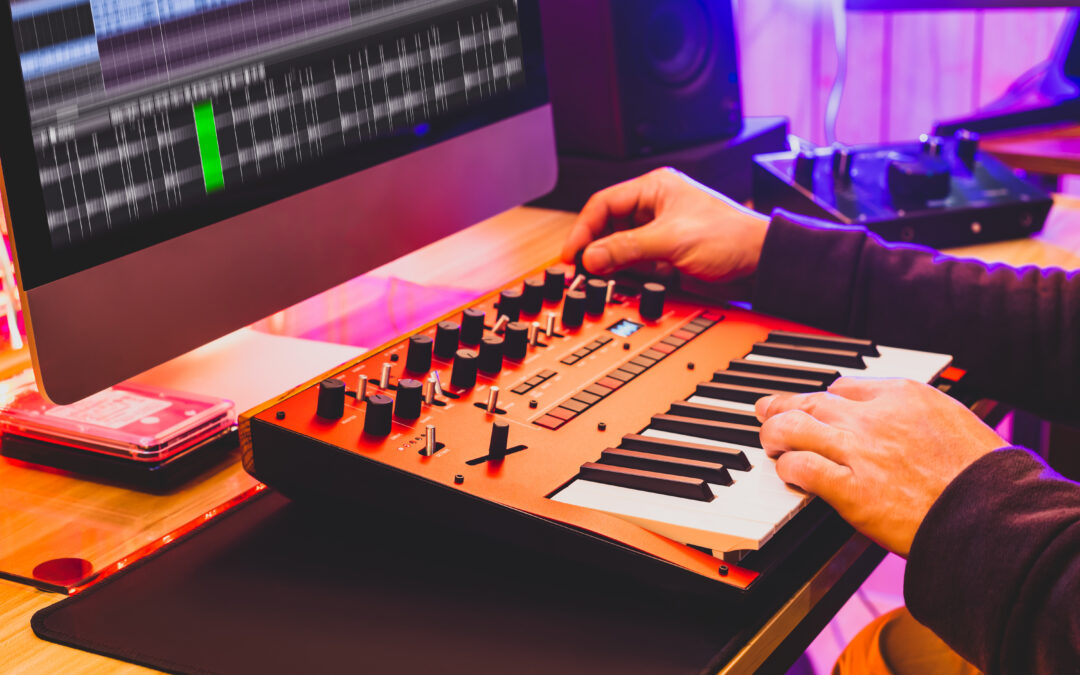
Every room you listen to audio in has its own idiosyncrasies that affect how you hear audio in general. A boombox playing a pop song in a church sounds much different than it would in your bedroom. The size and shape of the room, the construction materials, and the furniture and decorations present when the audio plays all contribute to this. Add to that the seemingly infinite variations of types of sound sources, ranging from a mono smartphone speaker all the way to a high-end system that costs as much as a high-end supercar.
When you combine everything together, you get a variety of unique listening environments that can create issues for the listener, ranging from comb filtering frequencies (like part of that awesome line read your actor gave that is suddenly buried when you play your project back on your friend’s TV), frequencies that just disappear because the speakers on your laptop can’t play them, to frequencies you didn’t even know where there (like that persistent low end rumble throughout your intense action scene you didn’t know was there because your system didn’t have monitoring that could reproduce that).
If you care about your project, or want to maximize your profit in the media marketplace, investing in a proper, professional sound mix it the best bang for the buck for your project. A good mix will ensure that no matter what environment you listen in, enough information will come through to maintain the suspension of disbelief necessary for any narrative media to work. While blowing the budget on visual effects can give you bragging rights, it’s the sound that accompanies them (and how that sound sits in the environment) that sells it. This is why all high-end projects rely on a good mix to pull everything together.
— reach out to Growllodge for a free, no-obligation estimate.
How much should I budget to spend on a mix?
The rule of thumb has always been to save about ten percent of your budget for a professional sound edit and mix. I know that with some projects, this doesn’t work. Especially for projects that have super low budgets, or when the funding has run dry. In those cases, a fair amount of improvisation is to be expected.
Most professional mixing and mastering runs anywhere from roughly $50–$150 per finished minute for podcasts and simpler projects, up to several hundred dollars per minute for complex film, TV, or broadcast-compliant work with many tracks and strict technical delivery specs.
If you are fortunate enough to know the specs going in, you probably have distribution worked out already so you will be locked into a mix that will meet the distributer’s requirements. If you are planning to find a distributor, you can do what is called a “festival mix”, designed to showcase the project as best you can without incurring the costs of fully filling an M&E (a requirement for all distributors). In this case, the creative team needs to decide the compromises required, so the cost cutting should really be on a per-project basis.
Because every project is different, the only way to know your real number is a quote based on your specific needs. For example, a sci-fi action thriller with monsters will need a lot more sound effect, foley and character design than a small drama set in a quiet mountain village. Conversely, that same sci-fi action thriller may need far less dialog work than the small drama set in a quiet mountain town. Especially if the sci-fi action thriller has little to no dialog, and the drama has tons of characters all talking over one another. Add standard environmental issues with field recording, such as background sound, dropouts, clothing russel, comb filtering, damaged microphones that are out of phase, etc, you should prepare for using more of the budget to solve those issues (with ADR, noise reduction passes or both).
— reach out to Growllodge for a free, no-obligation estimate.
What else effects the price?
Project length and format.
Length is usually the first variable in any quote, whether it’s billed per minute, per episode, or as a flat project rate.
Number of tracks and complexity.
A two-person podcast recorded in a controlled environment by a professional engineer requires much less work than a documentary or a reality show with loads of field recordings even the best sound guy has limited control over. Scripted projects like feature films or TV shows usually have multiple mics recorded in the field, have background music cut in by the editor, background ambience, and sound effects that all need to sit together. More tracks and more moving parts mean more time, which means a higher chunk of the budget.
Broadcast and platform compliance.
If your project needs to meet specific loudness standards for television, streaming platforms, or advertising — think LKFS/LUFS targets, true peak limits, and specific delivery formats — that’s a specialized skill set, and it typically costs more than general mixing. This is one of the areas where dedicated broadcast mixing and mastering experience matters most, since a mix that fails technical spec can get bounced back by a network or platform, costing you time and money to fix.
Audio quality going in.
Clean source recordings mix and master faster than audio with background noise, plosives, room echo, or inconsistent levels. If your raw files need real audio restoration or cleanup before mixing can even start, expect that to be quoted separately or built into the total.
Turnaround time.
Need it back in 48 hours instead of the standard week? Rush turnaround is one of the most common reasons a quote comes in higher than expected.
Revisions and stems.
Most engineers include a set number of revision rounds in a quote. If you need separate stems (dialogue, music, and effects delivered individually, rather than one final mixed file), that’s typically an added deliverable, since it takes extra time to prepare and export correctly.
— reach out to Growllodge for a free, no-obligation estimate.
Film & TV vs. Podcast vs. Commercial: Why Pricing Differs
Film and television
These projects usually involve dialogue editing, sound design, multiple audio elements, and — critically — technical delivery specs. These will vary from distributor to distributor, network to network and are usually contractually required. In most cases, these projects will have to pass network or platform quality control. There’s little room for error, and that precision takes time.
Podcasts
These are typically recorded in more controlled environments where and aren’t subjected to Network QC. While this is the most affordable category, especially for straightforward interview or narrative formats with clean source audio, there is a standard platform loudness range you are going to want to hit. If you are too quiet, third party insert adds will be loud enough to deafen your listeners. Conversely, if you’re too loud, advertisements will be too quiet to hear and could be an issue if its your primary income generator.
Commercials and ad campaigns
These are often pricier per minute than longer content, because a 30-second spot still needs broadcast-quality polish and every second has to meet the often opaque guidelines of the add campaign’s needs.
— reach out to Growllodge for a free, no-obligation estimate.
Get a quote based on your project
Published price ranges are useful for setting expectations, but they can’t tell you what your specific project will cost — a “typical” per-minute rate means very little if your project is unusually simple or unusually complex. The most reliable way to budget accurately is to have an engineer actually look at your files and requirements.
Contact Growllodge for a free project quote and you’ll get a real number based on your footage or audio, your timeline, and your delivery requirements — not a generic estimate that may not apply to your project at all.
What You Get When You Work With a Dedicated Post-Production Studio
Choosing based on price alone can be expensive in the long run if a mix has to be redone or fails a network’s technical review. Growllodge is a Beaverton, Oregon-based studio serving the greater Portland metro area, bringing over 20 years of experience in mixing, mastering, sound design, and dialog editing for film, television, commercials, and podcasts — including dedicated experience with broadcast-compliant delivery.
Whether you need a single service or full post-production support, it helps to work with a team that can flag potential issues (like a mix that won’t meet loudness specs) before they become expensive problems after delivery.
Have more questions about the process, turnaround times, or what’s included? The post-production FAQ page covers the questions we hear most often. If your question isn’t answered there, or you’re ready to talk about your project, reach out to the Growllodge team today — quotes are free, and there’s no obligation to move forward.